
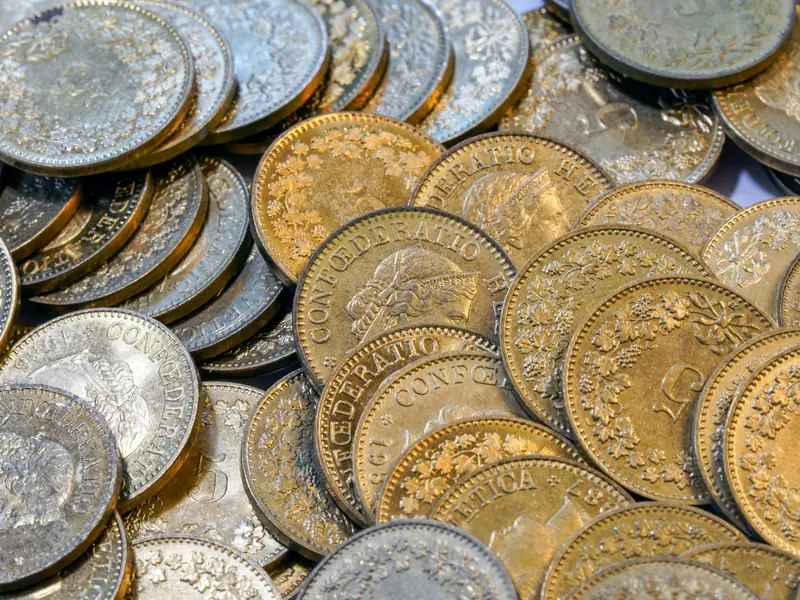
Short answer: don't clean, don't sell, and don't split anything up yet. Spend the first week keeping the coins exactly as they are, writing down what you have, and learning which pieces might matter. Most costly mistakes with inherited collections happen in the first few days, when grief and pressure push people into fast decisions.
This guide walks you through a simple seven-day plan. It's educational, not legal, tax or financial advice; for estate questions, talk to the executor or an estate attorney.
Day 1: Secure everything and touch as little as possible
Gather the collection in one place that's dry, cool and locked. Leave coins in whatever holders they came in: albums, paper envelopes, plastic flips, or graded slabs. The original holder often tells a story (where it was bought, what the collector paid, sometimes notes in pencil) that's useful later.
If you must handle a coin, hold it by the edges over a soft towel. Fingerprints leave oils that can permanently mark a surface.
Don't: polish, rinse or "brighten" anything. Cleaning is the single most common way heirs reduce value. (We cover why in Should You Ever Clean a Coin?.)
Day 2: Find the paperwork
Look for receipts, dealer invoices, mint packaging, certificates of authenticity, insurance riders, and any notebook or spreadsheet the collector kept. Serious collectors often tracked purchases. Those records help with values, provenance and, if relevant, the estate's paperwork.
Check whether the collection was listed on a homeowner's or separate collectibles insurance policy. That listing can include a past appraisal.
Day 3: Make a simple inventory
You don't need expertise to start an inventory. For each coin or group, write down:
- What's printed on it (country, denomination, year, any small mint mark letter)
- What it's stored in (album, roll, slab, loose)
- Whether it's graded (a sealed plastic slab from PCGS, NGC or similar with a grade number)
- Any notes or labels
Group bulk items: "1 roll of 1964 dimes," "album of Lincoln cents 1941-1975." Take a clear photo of each slab and each album page. Photos protect everyone if the collection changes hands.
If you'd like a ready-made template, the Inherited Coin Guide bundle includes a tracker spreadsheet built for exactly this.
Day 4: Sort into three rough piles
- Graded coins (in slabs). These already have a third-party opinion of authenticity and condition, and they're the easiest to value.
- Precious metal coins. U.S. dimes, quarters and half dollars dated 1964 and earlier are 90% silver. Silver Eagles, gold coins and bullion rounds also go here. These have a floor value tied to metal prices.
- Everything else. Modern pocket change, foreign coins, souvenir sets and mint sets. Some are worth face value; a few surprise people.
This sort is not a valuation. It just tells you where to focus.
Day 5: Learn the basic value drivers
Coin value usually comes down to four things: metal content, rarity (date and mint mark), condition, and demand. A common-date silver dollar in worn condition may be worth mostly its silver. The same design in a scarce year and high grade can be worth far more.
This is where no-cost resources help: price guides from the grading services, recent sold listings on major marketplaces, and coin club members who've seen thousands of collections. Treat any single number as a starting point, not a promise.
Day 6: Decide what the family actually wants
Before anyone sells, talk about goals. Some families want to keep a few sentimental pieces. Some want to split value fairly among heirs. Some want a clean sale. Each goal changes the next step:
- Keeping: focus on storage and insurance.
- Splitting: you'll need an inventory everyone trusts.
- Selling: you'll want more than one opinion.
Day 7: Get a second set of eyes
Once you have an inventory and photos, get an outside evaluation before accepting any offer. A good evaluator explains why something is worth what it is and doesn't pressure you to sell on the spot. Be cautious with anyone who insists on buying everything today, or who wants the whole collection without letting you document it first.
Common mistakes to avoid
- Cleaning coins to make them "look better"
- Selling the whole lot to the first buyer
- Removing coins from original slabs or mint packaging
- Splitting the collection before it's inventoried
- Assuming old means valuable (or that modern means worthless)
FAQ
Should I get the whole collection appraised right away? Not necessarily. Start with your own inventory and sort. A formal appraisal makes sense for estate, insurance or tax purposes; ask the executor or attorney what's required.
Are old silver coins worth more than face value? U.S. dimes, quarters and half dollars from 1964 and earlier contain 90% silver, so they're usually worth well above face value based on metal alone.
Is it worth grading inherited coins? Sometimes. Grading costs money, so it generally makes sense only for coins where condition significantly changes value. See Raw vs. Graded in 2026: Is Grading Still Worth It?.
Can I sell coins on eBay myself? Yes, but fees, returns and authenticity questions add work. Our guide compares dealer, marketplace and auction routes.
How long should I wait before selling? There's rarely a reason to rush. A week of documentation usually pays for itself.
Next steps
- 📘 Get the Inherited Coin Guide — step-by-step from first look to final decision. → Get the guide on Gumroad
- 🔎 Request a no-cost evaluation — send photos of your inventory and we'll tell you what stands out. → Request a free evaluation
- Already working with us? Clients can view their collection records through their account (see the Collector Portal and Services).
Choice Custom Collections serves Lantana, Palm Beach County and nearby areas by appointment. Educational content only.
Have a coin you're curious about? Use our What's my coin worth? form to send a few photos and request an offer or a rough sense of value.
Keep track of what you own. Create a free collection account to catalog your pieces in one private place.
Want more articles like this? Get Choice Cuts, our newsletter (you can unsubscribe anytime).